OUR CONVICTION is that financially viable businesses, led by dedicated social entrepreneurs, play a crucial role in achieving sustained impact at scale
OUR MISSION is to capitalize local SMEs with economically viable and scalable solutions that contribute to improved livelihoods, climate adaptation and resilience for underserved population groups in East Africa.
WE PROVIDE patient and flexible capital with ticket sizes between USD 100K and 2M in equity, equity-like instruments, debt, impact-linked finance, and hybrid instruments
WE ADD VALUE through technical assistance on areas related to governance and management structures, climate smart technologies and impact management, as well as establishing partnerships and accessing additional funding from NIF’s network of impact investors in the Nordics and beyond
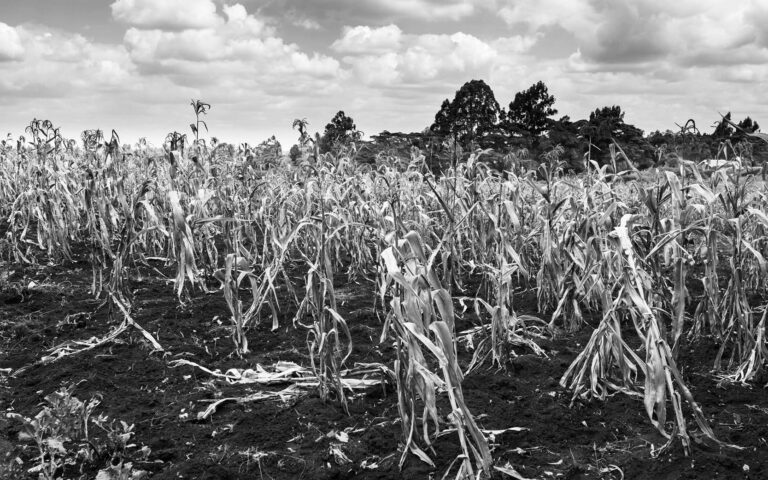
CLIMATE CHANGE is threatening the livelihoods of about 70% of East Africa’s population
Low-income communities, smallholder farmers, and women are disproportionally impacted
Supporting underserved populations in adapting to climate change through improved agricultural practices and financial inclusion is crucial to foster sustainable development, climate adaptation and resilience
CLIMATE CHANGE is threatening the livelihoods and food security of about 70% of the population who depend on agriculture in East Africa
– and particularly smallholder farmers, women and low-income populations
SUPPORTING smallholder farmers, low-income populations and women with sustainable practices, climate-resilient seeds, better water management, and financial services is crucial to foster sustainable development and resilience and adaptation to climate change